



If you’re here, something’s probably not working the way it should – and you suspect a faulty circuit breaker could be the culprit.
- Light won’t come back on?
- Circuit keeps dropping out?
- Switch on your board just doesn’t feel right anymore?
The instinct is to call it a faulty circuit breaker and leave it at that – but it’s worth knowing upfront that there’s actually a bit more nuance than that one phrase covers.
What you might actually be dealing with
It’s important to realise that your switchboard isn’t one single type of device – it’s a few different ones doing different jobs. So knowing which device is misbehaving makes a real difference to what’s actually going on at your place and also how urgent it is.
What’s misbehaving at your place could be:
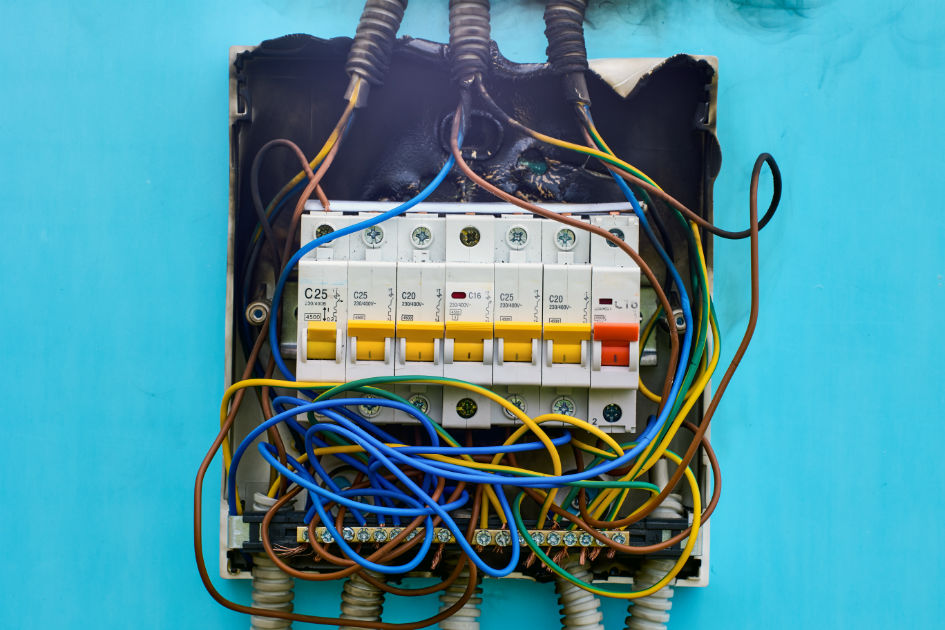
A Circuit Breaker: This is the one most people picture – a switch that trips when too much current flows through a circuit, like an overload or a short. Its job is protecting the wiring itself from overheating.
The RCD, Or Safety Switch: This one’s about protecting people. It trips when it detects current leaking somewhere it shouldn’t – often to earth – so in your head you might think you’re dealing with a faulty earth leakage circuit breaker even though it’s technically doing a different job to a standard breaker.
So, can a circuit breaker be faulty on its own, without anything else going wrong? Yes, definitely:
- Breakers wear out
- Connections loosen
- Internal components degrade over time.
If your home is getting older and you haven’t had the switchboard upgraded in years, it’s very possible that you’re starting to have trouble for that reason. But it’s also worth asking it the other way around: can a faulty appliance trip a circuit breaker that’s otherwise working perfectly fine? The answer to that one is yes as well, and it’s actually one of the more common causes people overlook – particularly with older appliances or ones with a developing internal fault.
The warning signs to watch for
So, how should we start to make sense of the specific problems you’re dealing with? Here are the faulty circuit breaker symptoms worth actually paying attention to, and what each one usually points to.
1. It keeps tripping for no clear reason
If a faulty circuit breaker keeps tripping even when you’re not overloading the circuit, that’s a strong sign the breaker itself has worn out rather than something you’re doing wrong.
If you want to know how to test if a circuit breaker is faulty before calling anyone, try this:
- Switch off everything on that circuit
- Flip the breaker back on
- If it trips again with nothing drawing power, the fault likely sits with the breaker itself, not an appliance.
2. It won’t reset at all
If flipping it back on does nothing, or it won’t hold the on position no matter what, that’s usually beyond a simple fix. This is one for a licensed electrician, since a breaker that won’t reset can point to a fault deeper in the circuit as well.
3. There’s a burning smell near the board
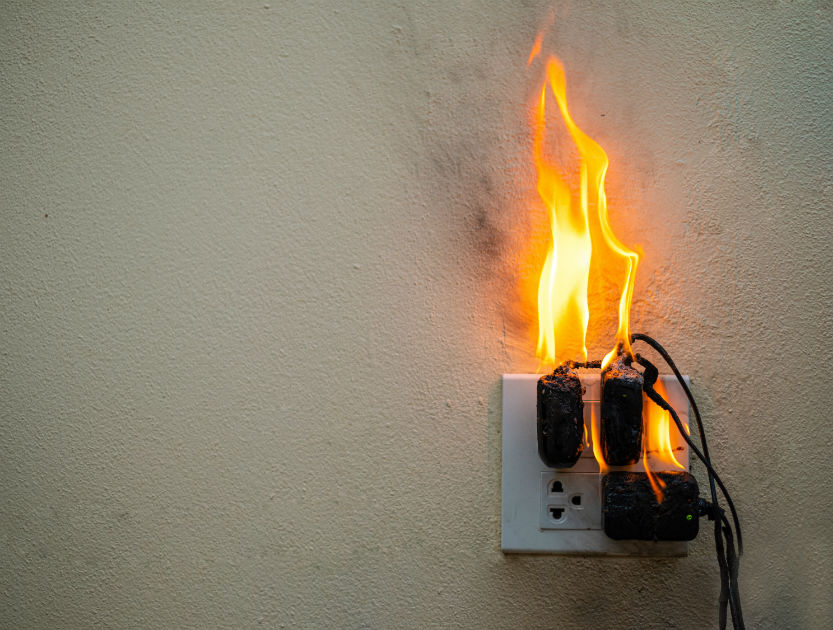
Any smell of burning or melting plastic around the switchboard is not something to wait on. Switch off what you safely can and get an electrician out straight away.
4. The switch or panel feels warm
A switchboard should stay roughly room temperature. Warmth around a specific breaker usually means it’s carrying more load than it’s rated for, or the internal contacts are starting to fail. Worth having checked sooner rather than later.
5. You notice scorch marks or discolouration
Visible darkening or scorching around a breaker is physical evidence something’s already gone wrong internally, even if it still seems to be working. Don’t wait for it to actually stop functioning before getting it looked at.
6. There’s a buzzing or crackling sound
A healthy switchboard is silent. Any humming, buzzing or crackling noise coming from it points to a loose or failing connection, and it’s worth switching off that circuit until someone’s had a proper look.
7. It trips whenever one specific appliance runs
This is usually the appliance’s fault rather than the breaker’s, but it’s fairly hard to tell without testing. If it only happens with one particular thing plugged in, unplugging it and monitoring the circuit for a few days is a reasonable first step before assuming the breaker needs replacing.
When it’s time to replace it
When people ask us how to fix a faulty circuit breaker switch, the honest answer is that a breaker isn’t something you repair – it’s something you replace. And even if you work out that a breaker itself is the problem, understanding how to replace a faulty circuit breaker isn’t really a DIY task, since it means working inside a live switchboard. Getting that wrong carries actual electrocution and fire risk, and only a licensed electrician is allowed to do it anyway. For us, it’s a fairly quick and straightforward job – but definitely a seriously dangerous one for anyone to attempt without the right training and isolation procedures.
Catch it before it fails completely
Most of the time, a struggling circuit breaker is trying to tell you something before it fails completely – and catching it early usually means a straightforward fix rather than a bigger problem down the track. If you’re seeing any of the signs above, it’s worth getting it looked at properly rather than resetting it and hoping it holds.
Circuit breaker faulty? Fluid Electrical’s licensed electricians can diagnose the actual cause and replace faulty circuit breaker components safely where needed. Get in touch for a proper assessment, with emergency callouts available across the Central Coast and Newcastle if it can’t wait.